Three and a half years into the ASCEND project, many of our cities are seeing the results of work that started as plans, concepts and partnerships. Buildings are being renovated, solar panels installed, energy communities launched and new districts designed.
Against that backdrop, a session at ASCEND's General Assembly in Prague on 3 - 4 June posed a deceptively simple question: what is it that we are building? The answer, participants discovered, was not quite as straightforward as it first appeared. At first glance, the answer seemed obvious. Positive Clean Energy Districts. After all, that is the common objective that brings ASCEND's Lighthouse and Multiplier Cities together. It is the framework that has guided years of planning, investment and collaboration. Yet as city representatives reflected on their experiences, a more nuanced picture emerged.
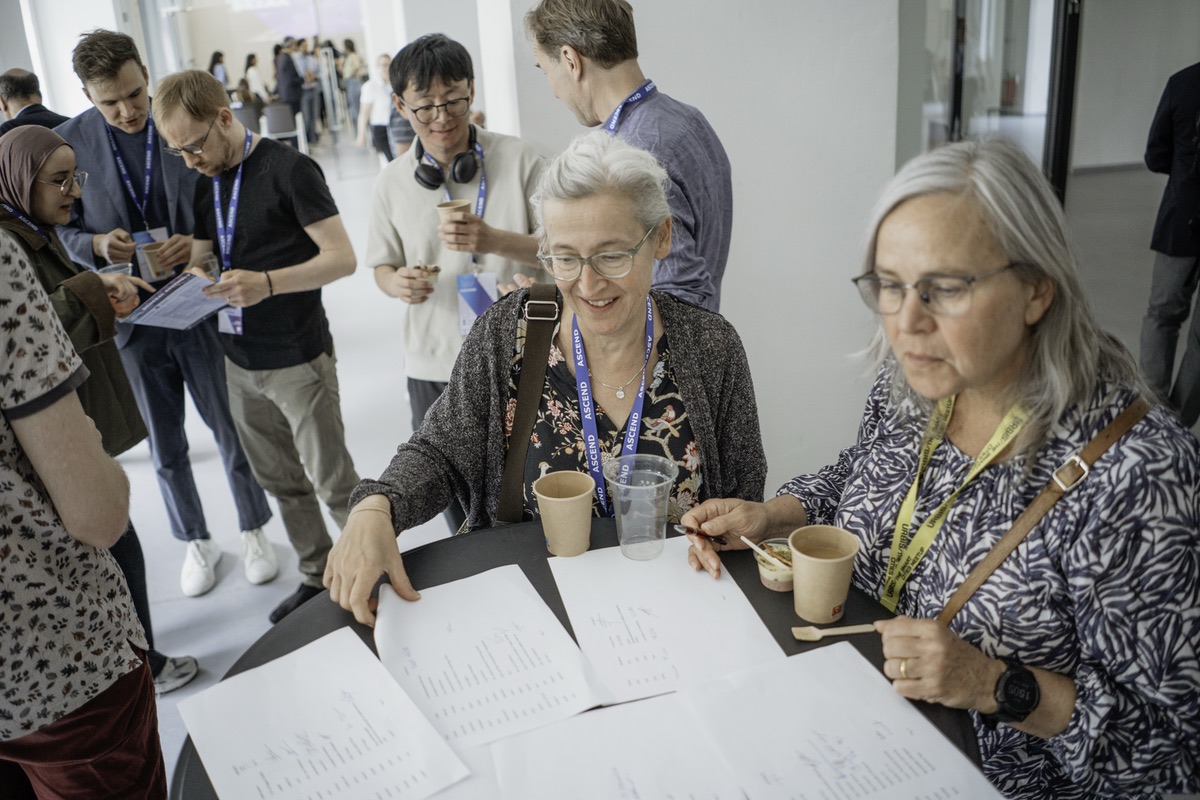
While cities may be working towards a common vision, they are often responding to very different local priorities. For some, the starting point is renewable energy. For others, it is affordable housing, energy poverty, citizen participation or the challenge of renovating existing buildings. What quickly became clear was that cities were not simply applying a single model. They were adapting it to their own realities.
Porto offered one example. The city has already installed significant solar capacity, carried out more than 100 energy audits and is expanding its Renewable Energy Community. Yet the discussion centred as much on people as technology. "In Porto, ASCEND is helping the citizens to reduce energy poverty, creating potential for energy transition and citizen wellbeing," explained Adeeb Sidani. The city's work reflects a broader effort to ensure that the benefits of locally generated renewable energy are shared with residents, particularly in social housing neighbourhoods where energy costs can place a significant burden on households.
Prague's priorities reflect a different reality. Its district is being developed on a greenfield site with housing intended for key workers, including teachers, healthcare professionals and emergency service staff. Alongside its technical ambitions, the city is also exploring new financing approaches, including energy performance contracting, as part of its wider climate strategy.
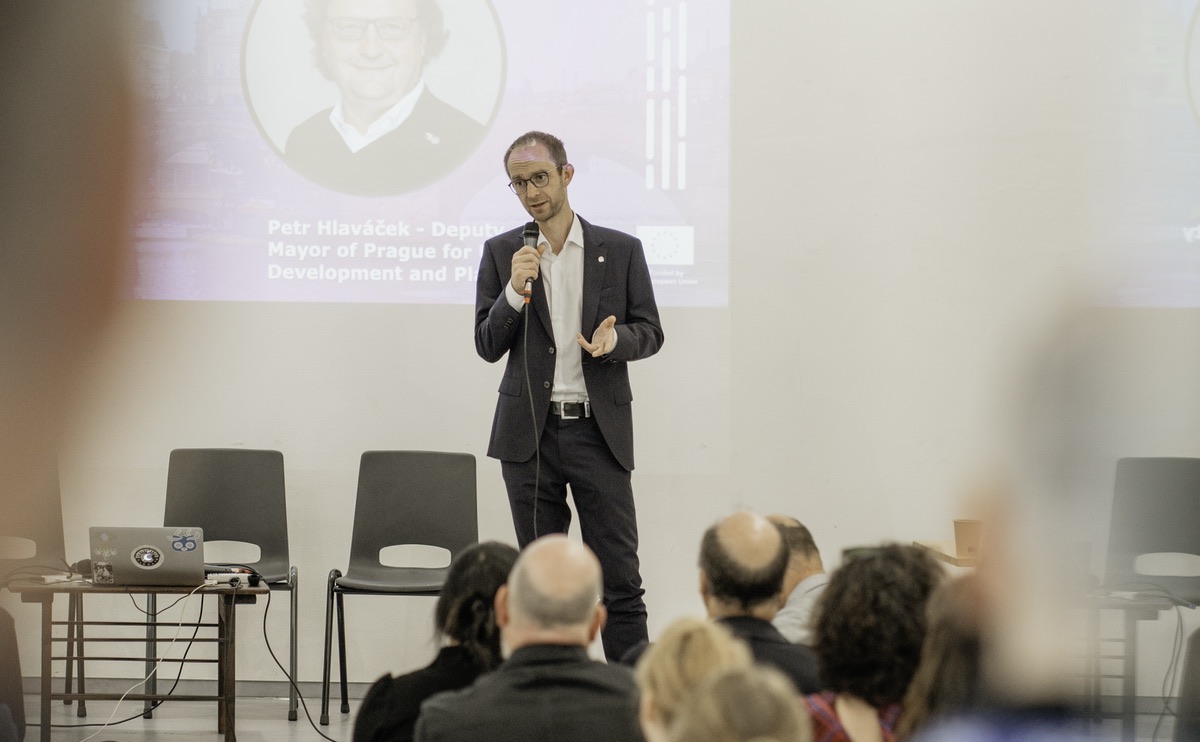
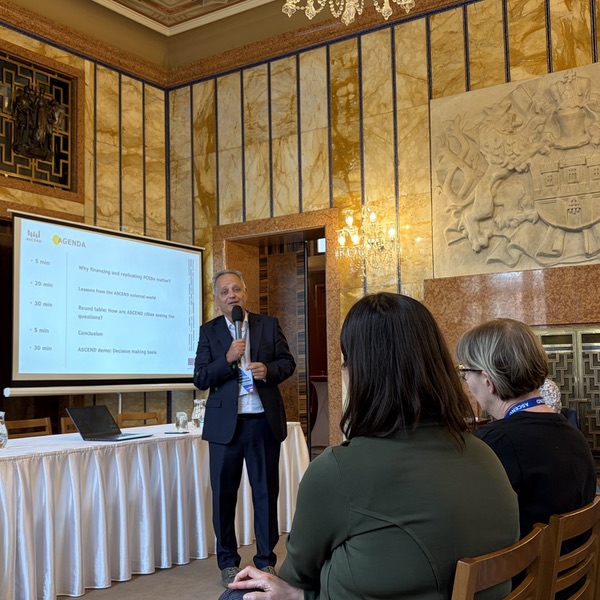
During the General Assembly, Deputy Mayor Jaromír Beránek highlighted a challenge familiar to many cities in the room: local authorities are expected to deliver ambitious climate objectives while navigating regulatory barriers, financing constraints and citizen needs. For Prague, the focus is increasingly on turning long-term plans into visible results.
In Budapest, the conversation centred on municipal housing and renovation. Rather than building entirely new districts, the city is exploring how energy-efficient refurbishment can improve existing housing while expanding affordable housing options. As Dorottya Lénárt noted, "Decarbonising affordable housing is about ensuring that no one is left behind in the energy transition."
Other cities highlighted challenges shaped by their own circumstances. Alba Iulia spoke openly about fragmented ownership structures and limited investment capacity, while Charleroi is developing a new district that combines residential and economic activity. Stockholm is focusing on how decentralised solutions can complement an already highly developed centralised energy system. For Maria Lennartsson, one of the key lessons is the importance of connecting areas that cities often treat separately. "The lessons for other cities are the importance of cross-sectoral energy planning to enable the circulation of resources, bio-recovery, and waste streams of energy."
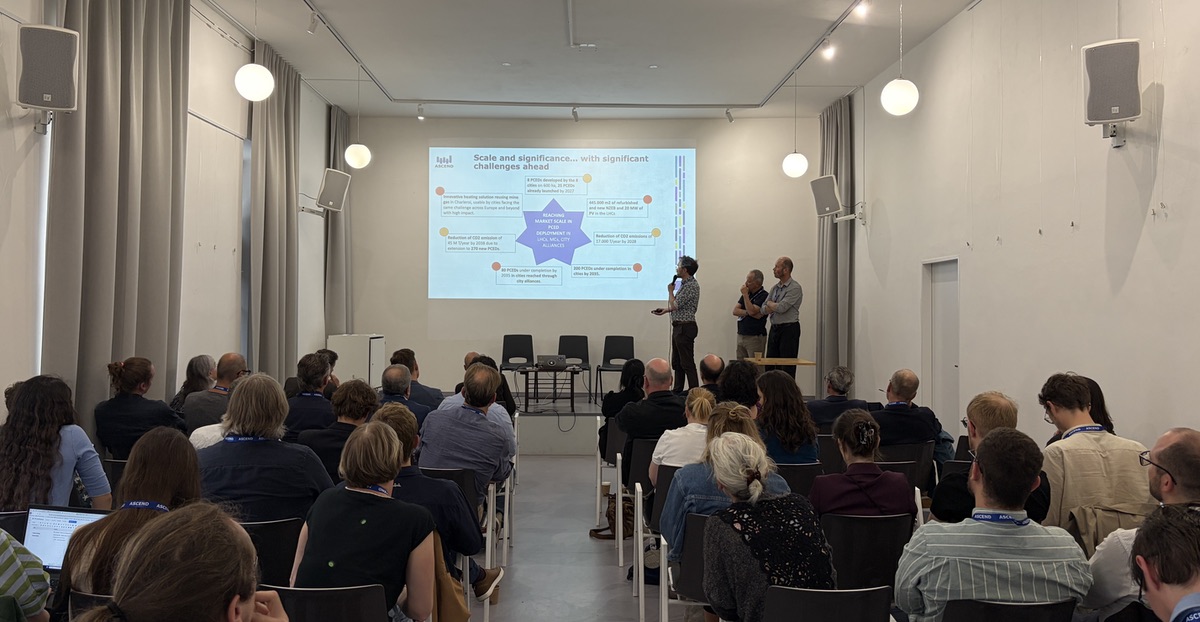
As the discussion progressed, it inevitably returned to the concept at the heart of ASCEND: the Positive Clean Energy District.
Cities continue to value PCEDs as a source of direction and ambition. At the same time, many recognised that success cannot always be captured by a single definition.
For Munich, climate neutrality remains the primary objective, with Positive Clean Energy Districts representing one pathway towards that goal.
For Lyon, the conversation is increasingly centred on resilience and affordability. Rising construction costs, higher interest rates and growing uncertainty are reshaping the realities of urban development. Delivering districts that can protect residents from energy price fluctuations may prove just as important as achieving a positive energy balance.
Porto highlighted another challenge. Despite significant progress, regulatory frameworks continue to limit the scale at which energy can be shared within communities. Financing models and regulatory innovation, participants agreed, will be just as important as technological solutions in the years ahead.
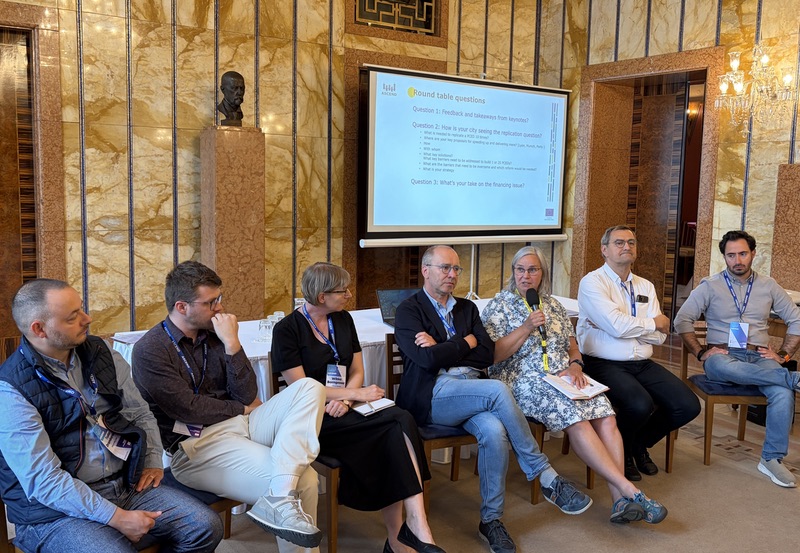
This focus on practical implementation surfaced repeatedly throughout the General Assembly. Discussions on replication, digital twins, energy communities, photovoltaic analytics and district orchestration all returned to a common question: how can successful approaches be adapted by other cities? Funding gaps, regulatory uncertainty, lengthy permitting processes and changing political priorities continue to affect the replication of PCEDs across Europe.
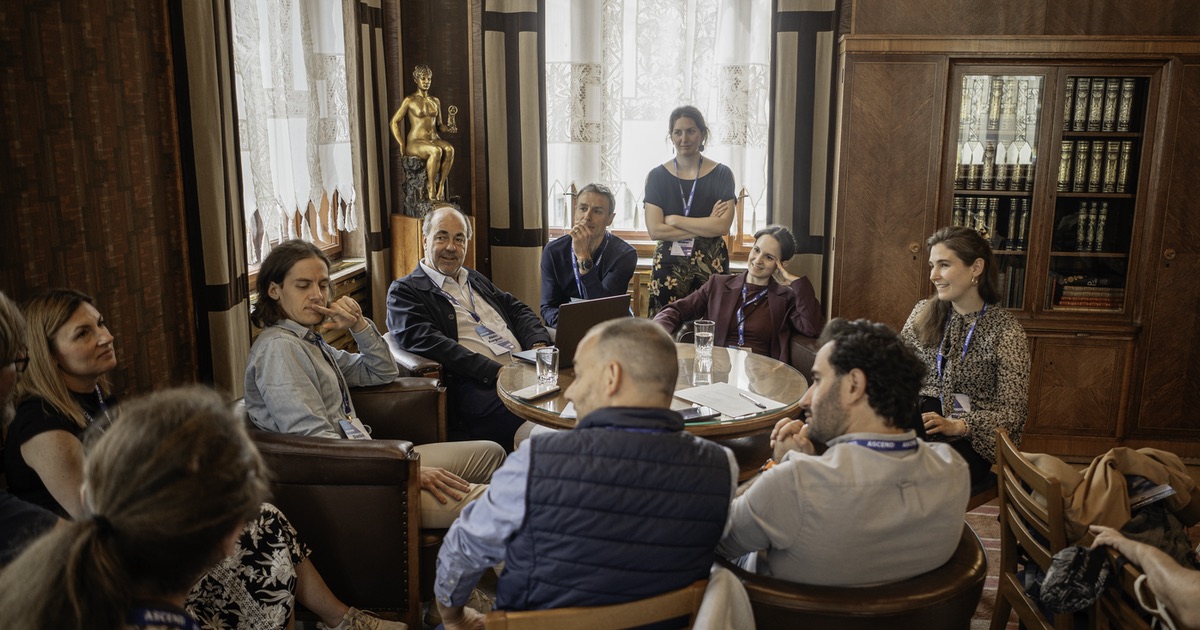
With experience, ASCEND cities are more confident about what they can achieve, even when conditions change. After three and a half years of collaboration, the value of ASCEND increasingly lies not only in the projects being delivered, but also in the lessons being shared between cities navigating similar challenges.
Perhaps that is why one of the most memorable remarks came from Bruno Gaidon of Hespul:
"Our main goal is to improve the quality of life. We may face delays and even fail in the implementation. But we always win."
By the end of the discussion, the answer to the original question felt clearer.
ASCEND cities may be working towards a shared vision, but they are not building identical districts. They are responding to different priorities, constraints and opportunities. What connects them is a common belief that the energy transition becomes meaningful when it delivers tangible benefits for the people who live there. And Positive Clean Energy Districts are a means of creating cities that are more resilient, more affordable and better places to live.
 |  |
 |  |
