When ASCEND launched, the challenge seemed straightforward. Cities would design and deliver Positive Clean Energy Districts - neighbourhoods capable of producing more renewable energy than they consume while improving quality of life for residents.
Three and a half years later, the picture looks more nuanced.
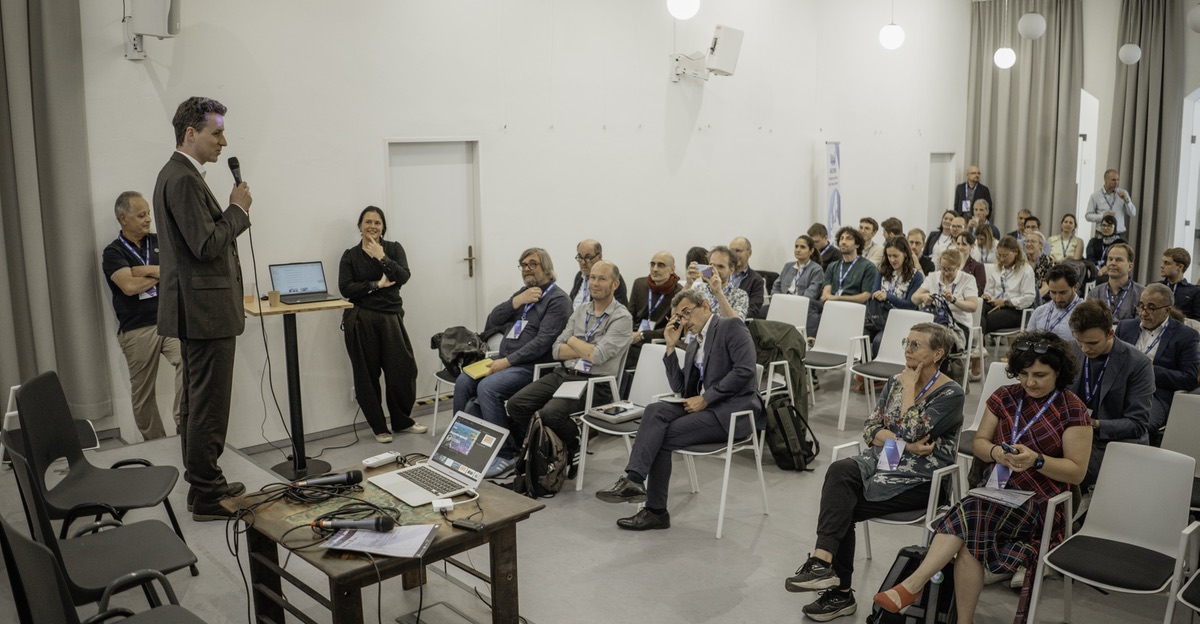
At ASCEND's General Assembly in Prague, representatives from Lighthouse and Multiplier Cities reflected on their progress, challenges and lessons learned. While each city is working in a different context, a common message emerged: building climate-neutral districts is about far more than optimising energy efficiency.
In fact, one of ASCEND's most valuable outcomes may be the deeper understanding of what it takes to turn ambitious climate goals into climate districts.
Technology is often the easiest part
Across ASCEND cities, solutions such as photovoltaics, district heating, energy communities, building renovation and smart energy systems are already well understood.
The challenge is rarely a lack of technology.
Instead, cities are grappling with questions of ownership, regulation, financing and implementation. Whether in Munich, Lyon, Porto or Prague, technical solutions often exist long before the conditions needed to deploy them at scale.
As one participant observed during the discussion, climate neutrality is increasingly less a question of engineering and more a question of governance.
Affordable housing and energy efficiency cannot be separated
One theme surfaced repeatedly throughout the discussion: affordability.
Prague is exploring how energy-efficient housing can remain accessible to essential workers. Budapest is combining building refurbishment with efforts to expand affordable municipal housing. Porto is addressing energy poverty alongside renewable energy deployment.
These experiences highlight an important reality. Residents do not experience climate policy, housing policy and energy policy separately. They experience them through monthly bills, housing costs and living conditions.
For cities, this means climate-neutral districts must also be affordable districts.
Financing remains the biggest obstacle
If there was one challenge shared by almost every city around the table, it was financing.
Financial conditions that existed when ASCEND was conceived have changed significantly, resulting in rising construction costs, higher interest rates and difficulties attracting investment that are affecting projects across European cities.
As a result, conversations are increasingly shifting from technological innovation towards financial innovation.
How can cities fund large-scale retrofits? How can private investment be mobilised? How can energy improvements be delivered without placing additional burdens on residents?
These questions may ultimately determine the speed of Europe's climate transition.
Citizens are not an add-on
Many ASCEND cities began with an energy objective but quickly discovered the importance of engagement, communication and trust.
Porto's work on energy literacy, local energy communities and citizen participation reflects a wider lesson emerging from the project: infrastructure alone is not enough. People need to understand the transition, participate in it and benefit from it.
The most successful interventions are often those that connect technical solutions with tangible improvements in everyday life.
Progress matters more than perfection
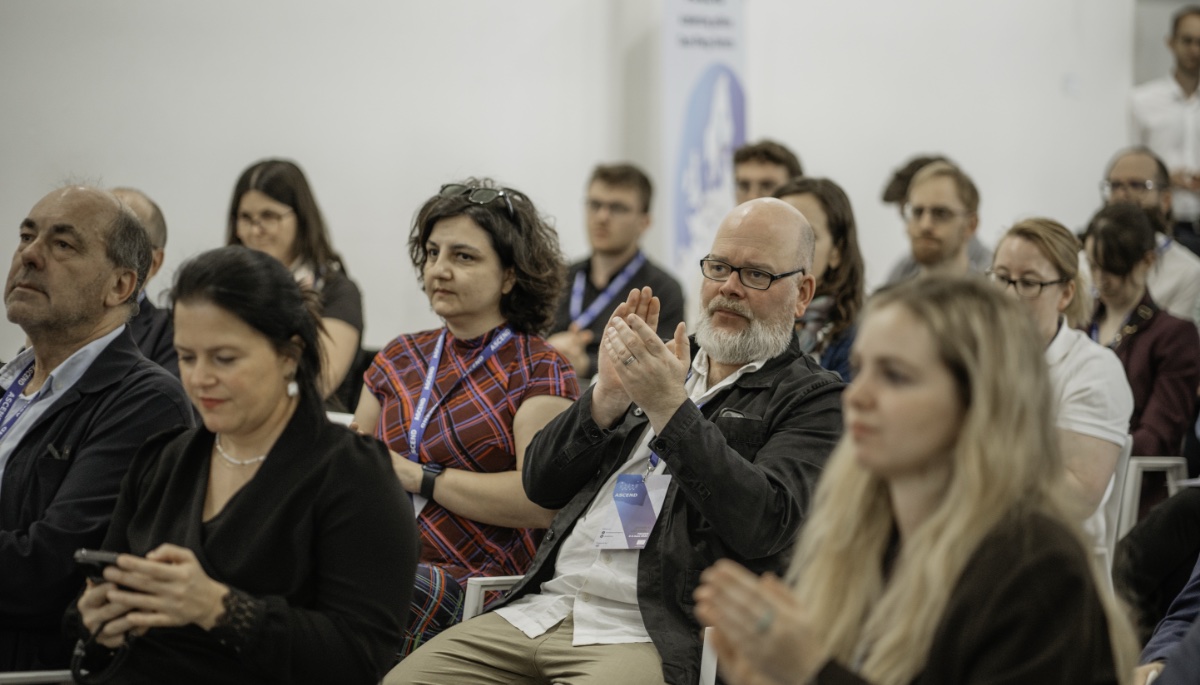
Perhaps the most striking aspect of the discussion was the willingness of cities to speak openly about the gap between ambition and reality. Several participants acknowledged that they may not achieve every target exactly as originally envisioned. Yet none viewed this as a failure. Instead, there was a growing recognition that the project had already delivered something valuable: knowledge.
Cities now have a clearer understanding of the barriers to implementation, the financing mechanisms that work, the importance of political support and the role of citizens in shaping successful projects.
That knowledge will not disappear when ASCEND ends. It will influence future projects, future districts and future city strategies.
Looking Ahead
The conversation in Prague suggested that the future of climate-neutral districts will not be defined by a single metric or definition. What matters is whether cities are moving towards neighbourhoods that are cleaner, more resilient, more affordable and better prepared for the challenges ahead.
After three and a half years of experimentation, collaboration and implementation, ASCEND cities may not all be building exactly what they imagined at the start. But they are building something equally important: an urban transition that can succeed.
 |  |
