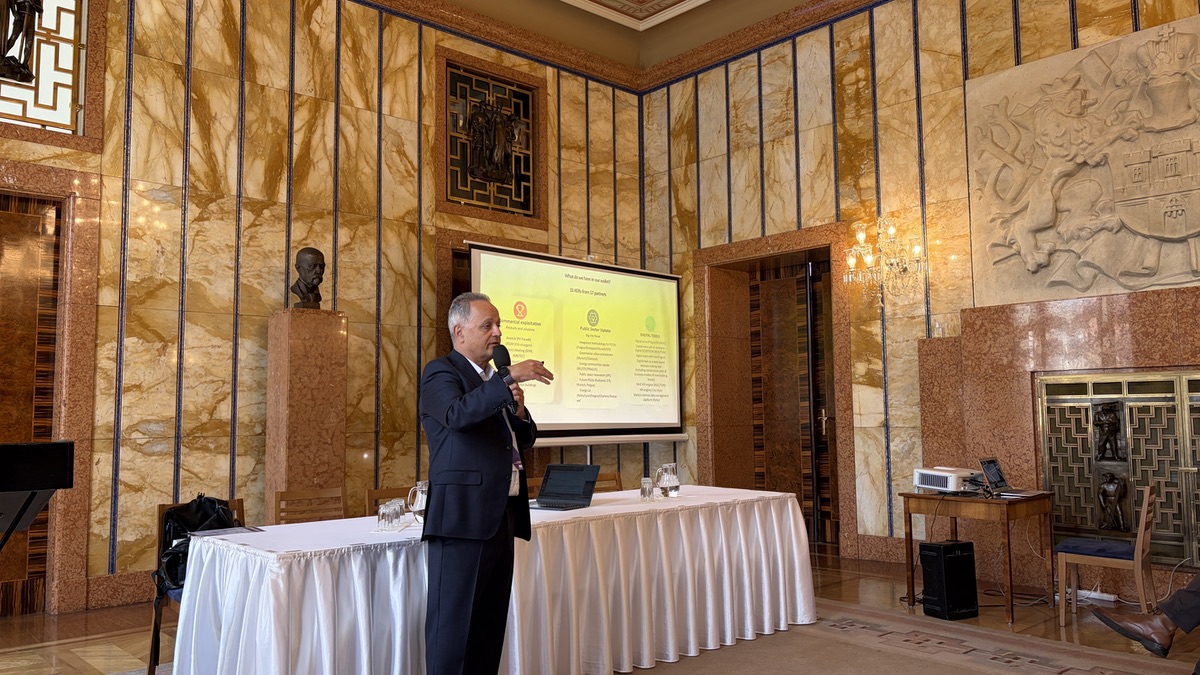
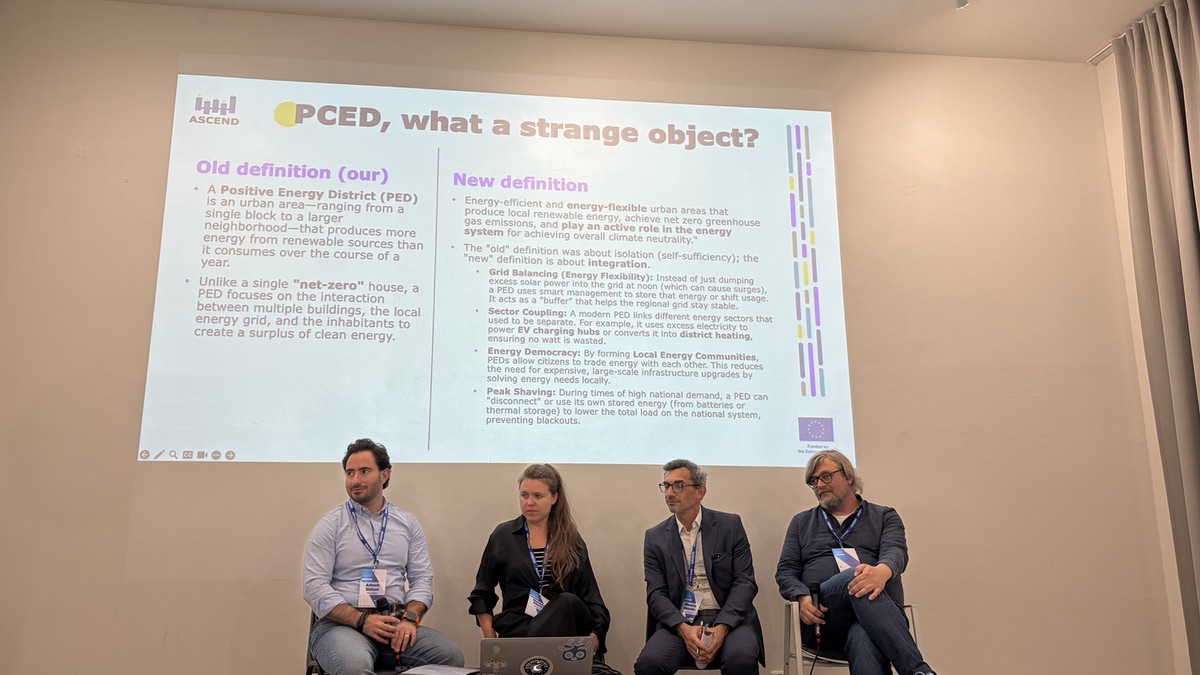
One of the most interesting discussions at ASCEND's General Assembly in Prague focused on - what is actually changing on the ground? The answers revealed fourteen very different solutions, but they all addressed a common challenge. Building Positive Clean Energy Districts is not about deploying a single technology. It is about helping cities overcome a series of practical barriers that stand in the way of urban transformation.
One of the first challenges is understanding how districts function today. Cities need reliable information before they can make informed decisions. Prague's photovoltaic dashboards are helping the city collect and analyse solar generation data that will support future energy optimisation efforts. In Munich, the City Model Indicator Engine allows city administrations to use data from urban digital twins for monitoring and decision-making. Urban Practices' City and District Monitoring System similarly helps cities track progress against urban development goals, while Stockholm is demonstrating how monitoring energy performance in new developments can reduce energy consumption and increase renewable energy production.
 |  |
Together, these solutions show that the transition begins with better evidence.
Cities also face the challenge of engaging citizens in what can often feel like a highly technical transition. Across ASCEND cities, several solutions are working to make energy systems more accessible and participatory. Alba Iulia's Virtual Energy Community is helping prepare the ground for future energy communities in Romania. Munich's Energy Communities and District Energy Council are creating opportunities for residents to participate directly in local energy systems and decision-making. Porto's collective self-consumption initiative is allowing citizens to benefit from locally produced renewable energy while helping tackle energy poverty. Meanwhile, DKSR's Energy Community Planning Tool helps stakeholders explore different community energy configurations and understand their potential impacts.
As Serena Keller from the Technical University of Munich noted, energy communities demonstrate that citizen engagement can make the energy transition accessible to everyone.
A third challenge is moving from ideas to implementation. Many cities understand the technical solutions available to them, but governance structures, financing models and partnerships often remain unclear. Blue-Sight's work on special purpose vehicles to develop Positive Clean Energy Districts explores how cities can move beyond traditional public funding approaches. The PCED Business Model Assembler developed by the University of St. Gallen helps cities explore governance structures, partnerships and financing mechanisms. In Lyon, energy community feasibility work is demonstrating how locally produced renewable electricity can create tangible benefits for residents and local businesses.
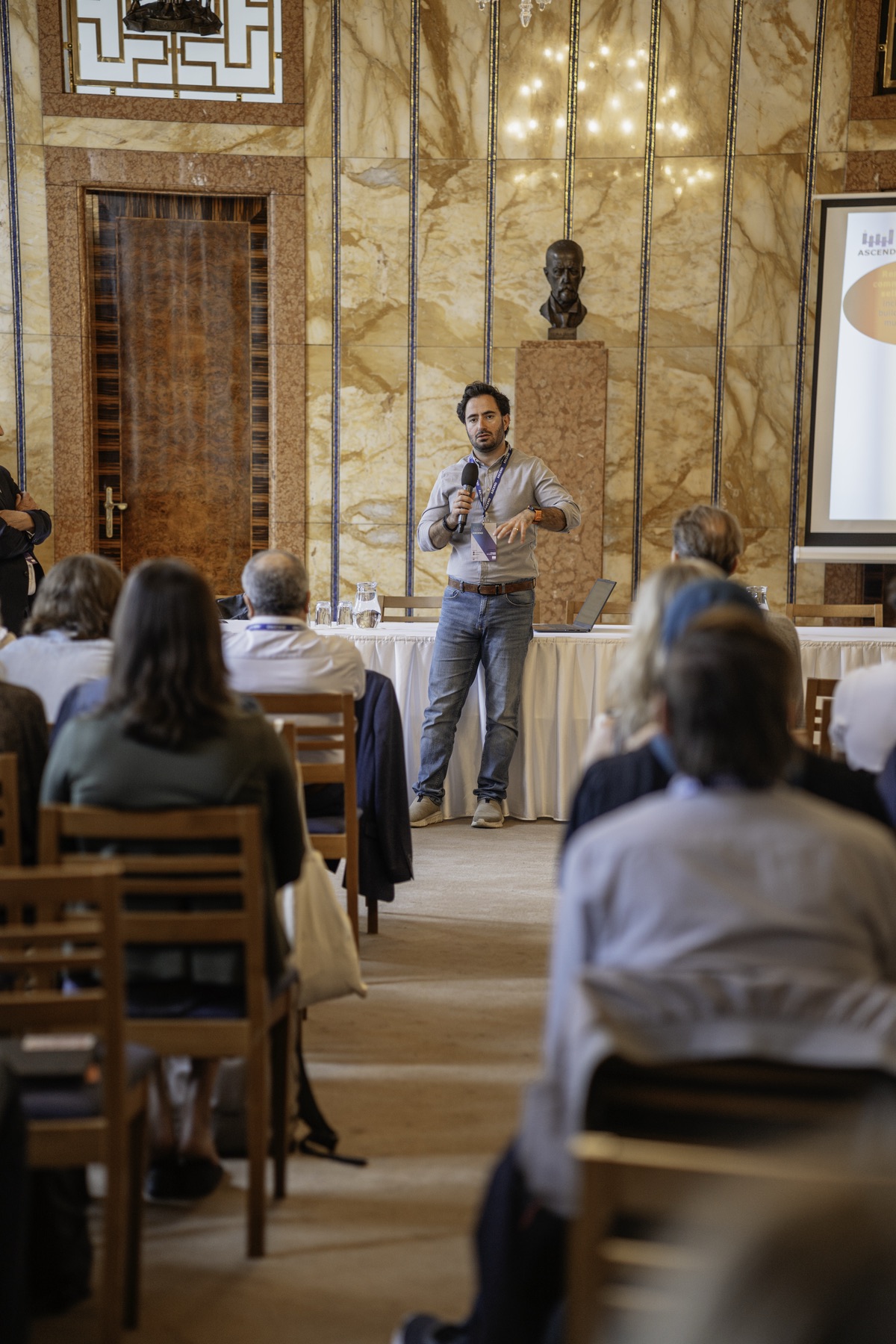 | 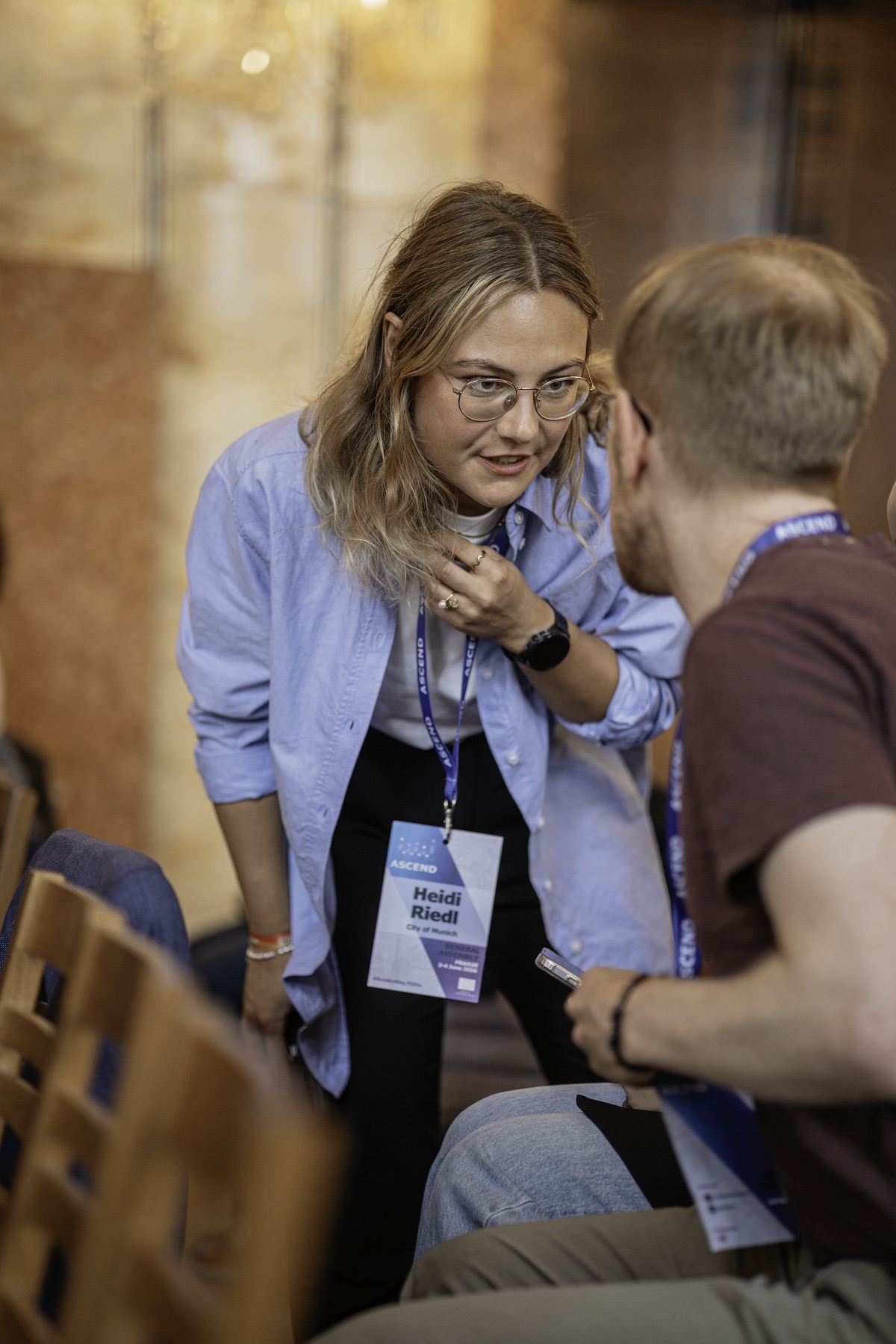 |  |
The transition also raises an important social question: who benefits?
Budapest's work on the decarbonisation of affordable housing demonstrates how cities can combine climate action with social inclusion. By exploring pathways to transform ageing buildings into affordable net-zero homes, the city is helping ensure that vulnerable households are not left behind. Porto's collective self-consumption model shares a similar objective by reducing energy costs and expanding access to the benefits of renewable energy.
As Dorottya Lénárt (City of Budapest) observed, decarbonising affordable housing is ultimately about ensuring that no one is excluded from the transition.
Finally, long-term transformation depends on strong local ecosystems. IGRETEC's cleantech platform in Charleroi is helping connect organisations, expertise and opportunities that can accelerate the energy transition. Its experience highlights a lesson shared by many ASCEND cities: successful urban transformation depends as much on collaboration as it does on technology.
Looking across all fourteen solutions, a common thread emerges. Some are generating data. Others are strengthening participation, supporting investment decisions or improving social outcomes. Together, they demonstrate that Positive Clean Energy Districts are not being built through a single intervention. They are emerging through a combination of practical actions that help cities make better decisions, involve more people and create benefits that extend beyond energy alone.
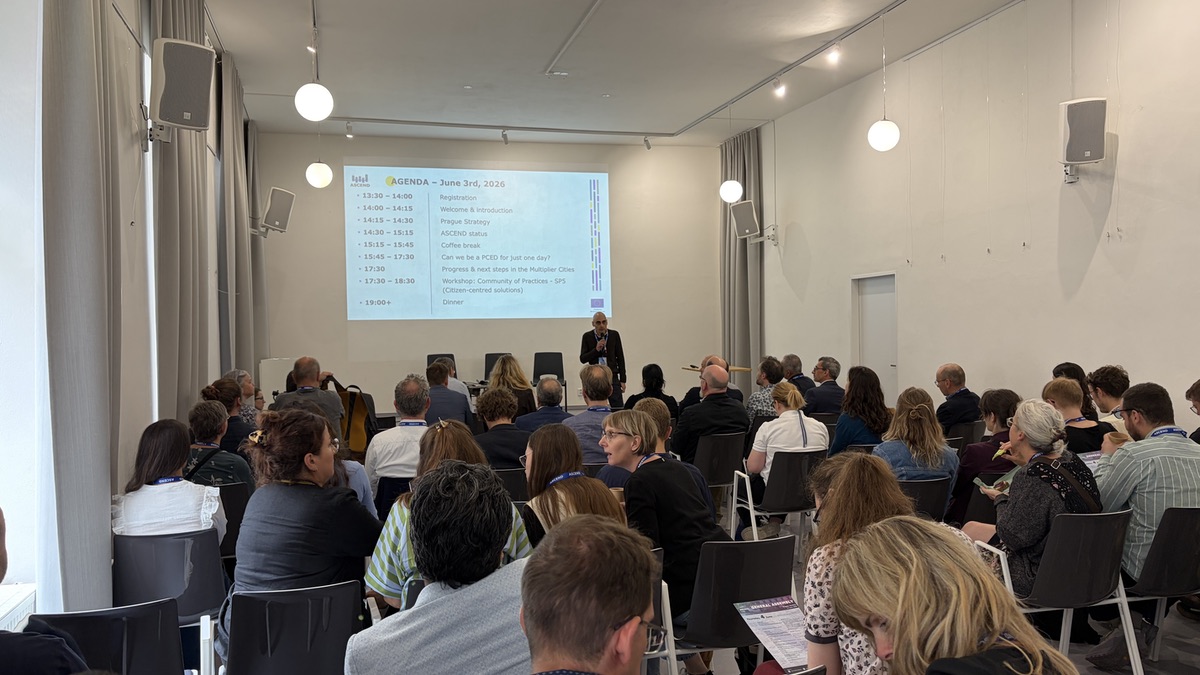 | 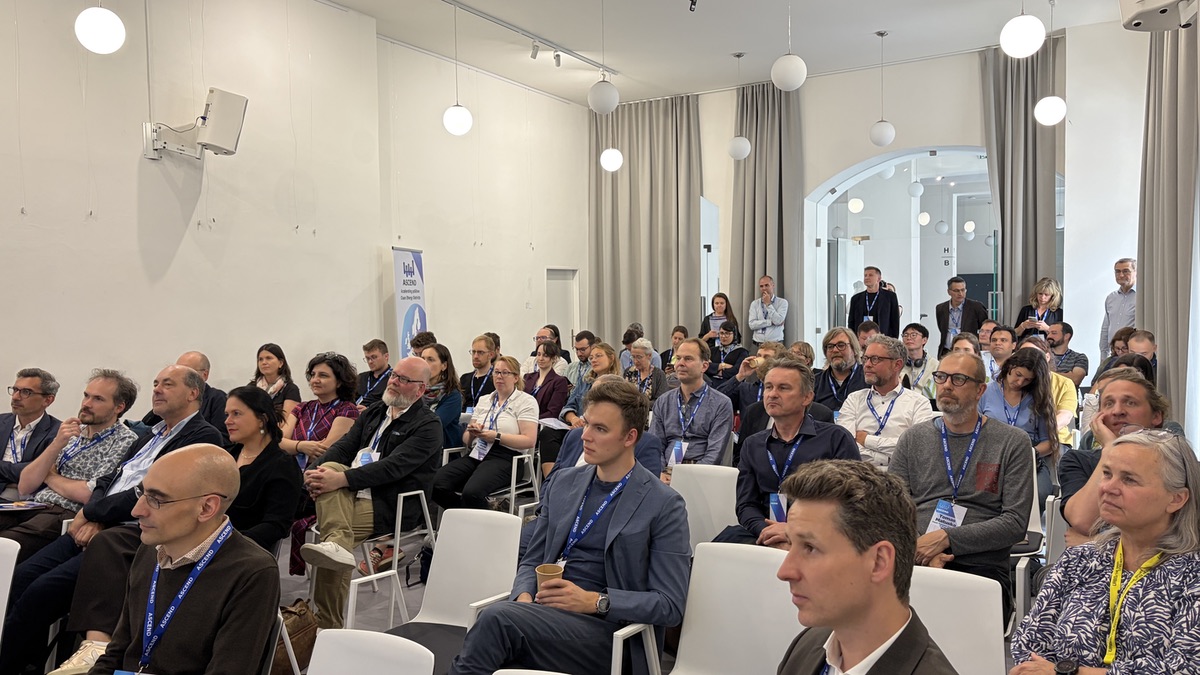 |
 |  |